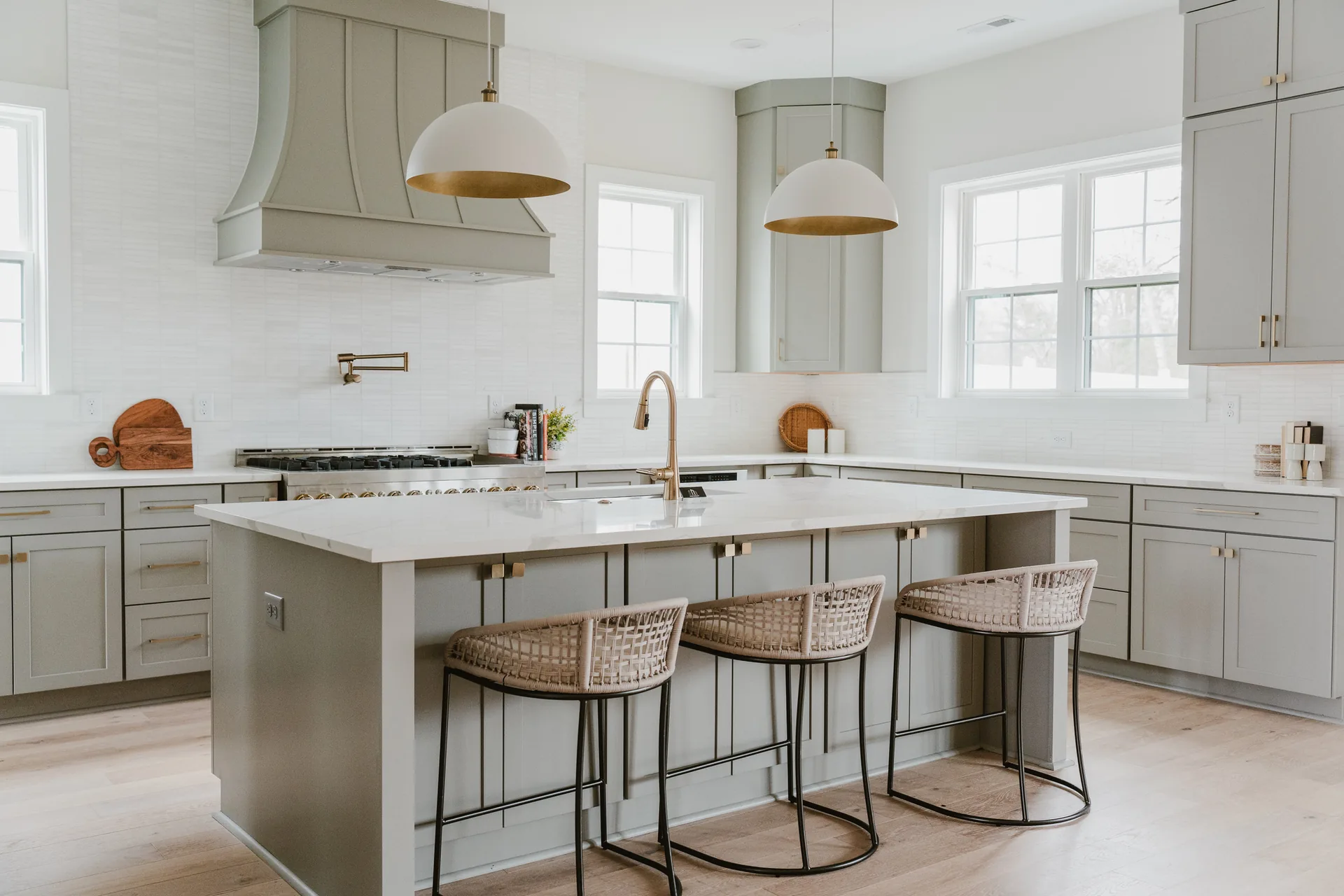
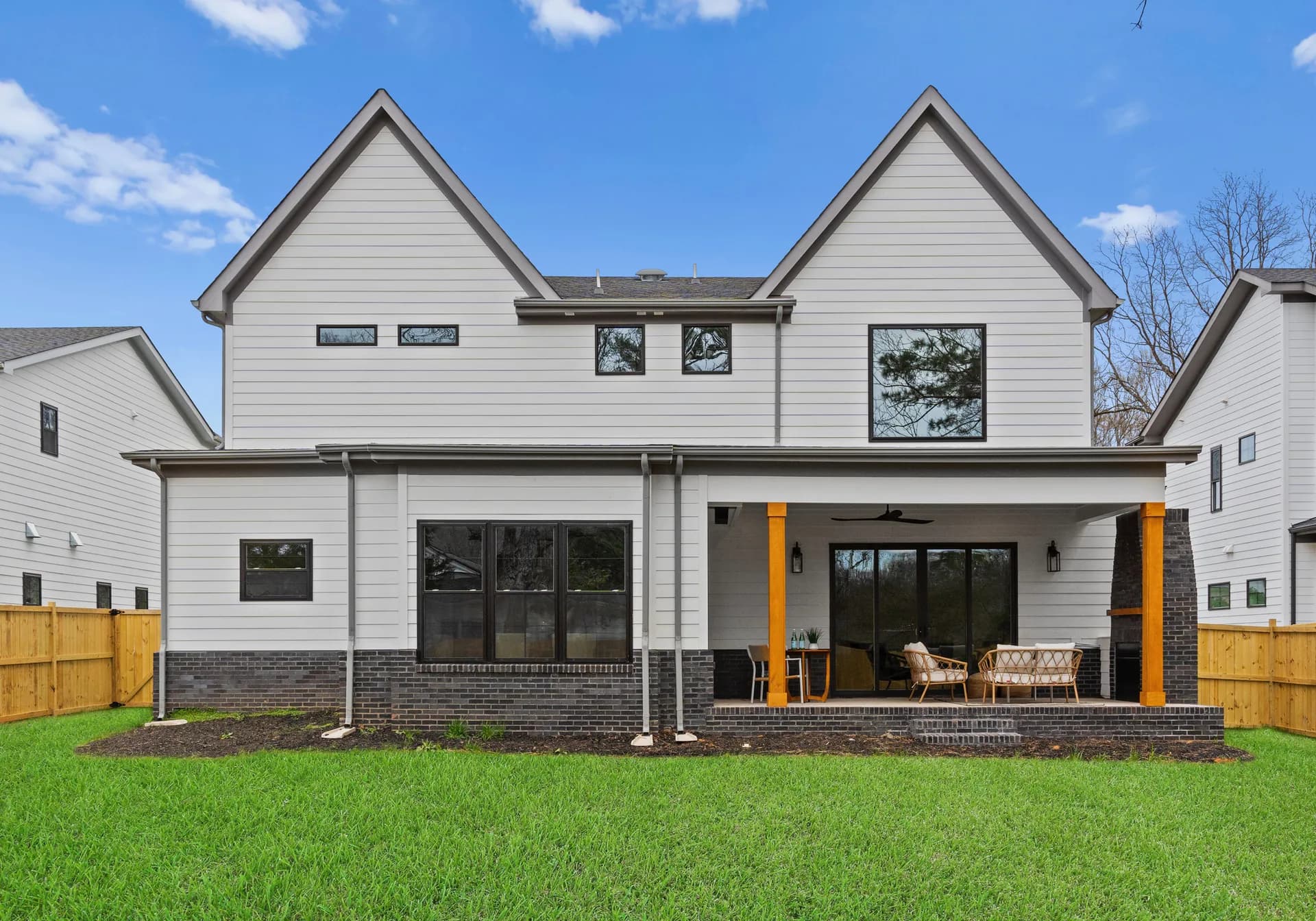
A useful custom home preconstruction checklist does more than collect documents. It helps the owner and project team reach the same understanding of the property, design direction, scope, decisions, and approvals before field work begins. In Charlotte, that preparation also means identifying which City and Mecklenburg County reviews apply to the particular address and proposed work. The goal is a decision-ready project record: confirmed information is visible, open questions have owners, and assumptions are not mistaken for approvals or fixed commitments.
Start with a brief that can guide decisions
Write the brief in plain language before drawings become detailed. Identify who will live in the home, the rooms and relationships that matter, accessibility or long-term needs, indoor-outdoor priorities, architectural direction, and the constraints already known. Separate requirements from preferences. A required first-floor bedroom should not sit in the same list as a finish that can be selected later. DELLA's public Discover stage similarly begins with goals, property, lifestyle, budget, and schedule context; it does not promise that every question is resolved at the first conversation.
Property address or target area and the current ownership or purchase status
Household needs, room program, accessibility considerations, and future flexibility
Architectural references described as preferences rather than copied plans
Known budget boundaries expressed as planning constraints, not a universal DELLA price
Desired timing expressed as a goal, not a guaranteed DELLA duration
Decisions already made and the people authorized to approve later decisions
Build a reliable property-information set
Preconstruction cannot treat the house and lot as separate subjects. Gather the current survey or other reliable boundary information, recorded easements and restrictions available to the owner, existing-condition information, utility context, access points, visible drainage features, major trees, and relevant prior documents. Public mapping is useful for early research, but it is not a substitute for a current survey or professional property-specific work. If the property is still being considered, the
explains how to organize an initial feasibility record without claiming that a desktop review settles buildability.
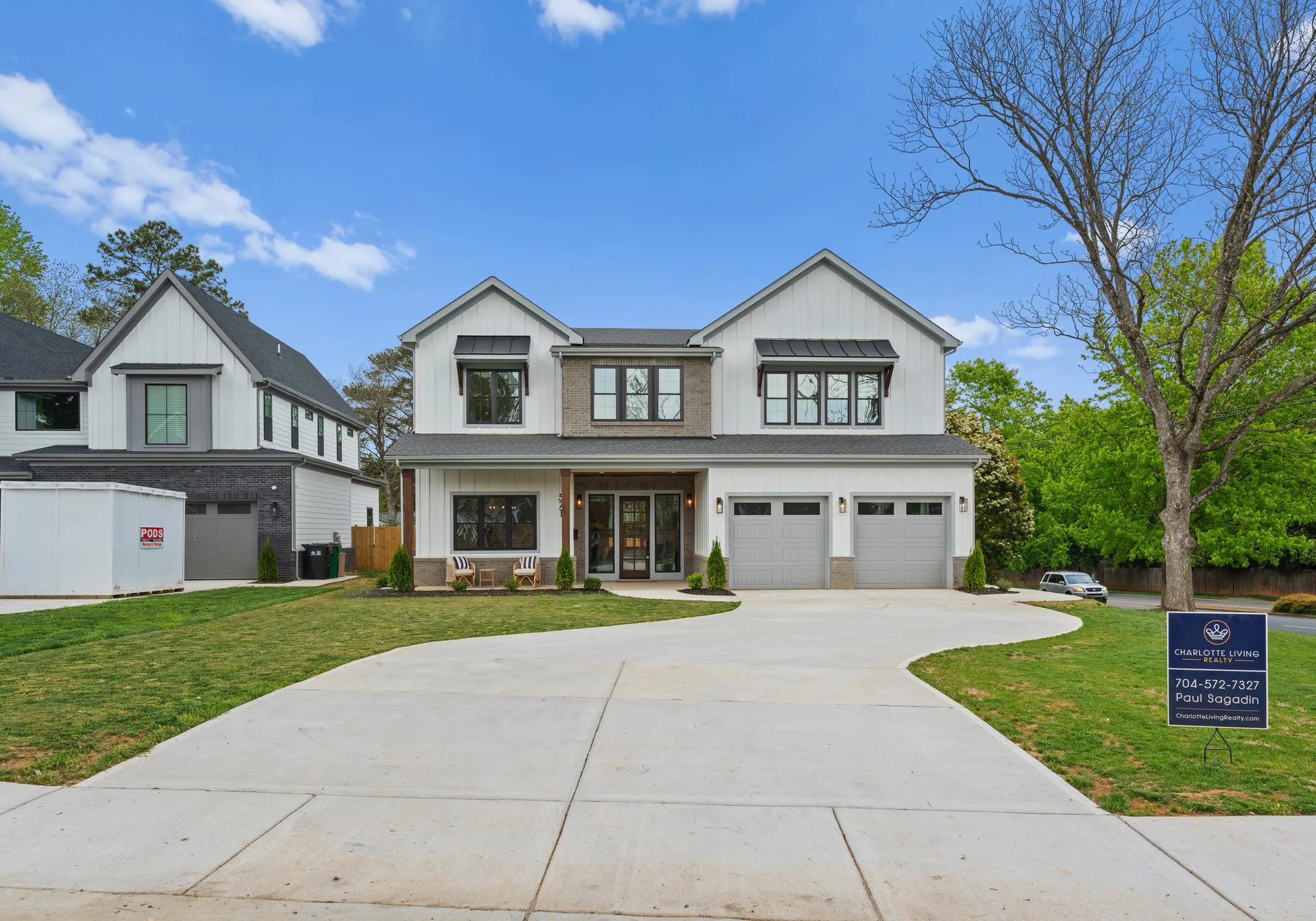
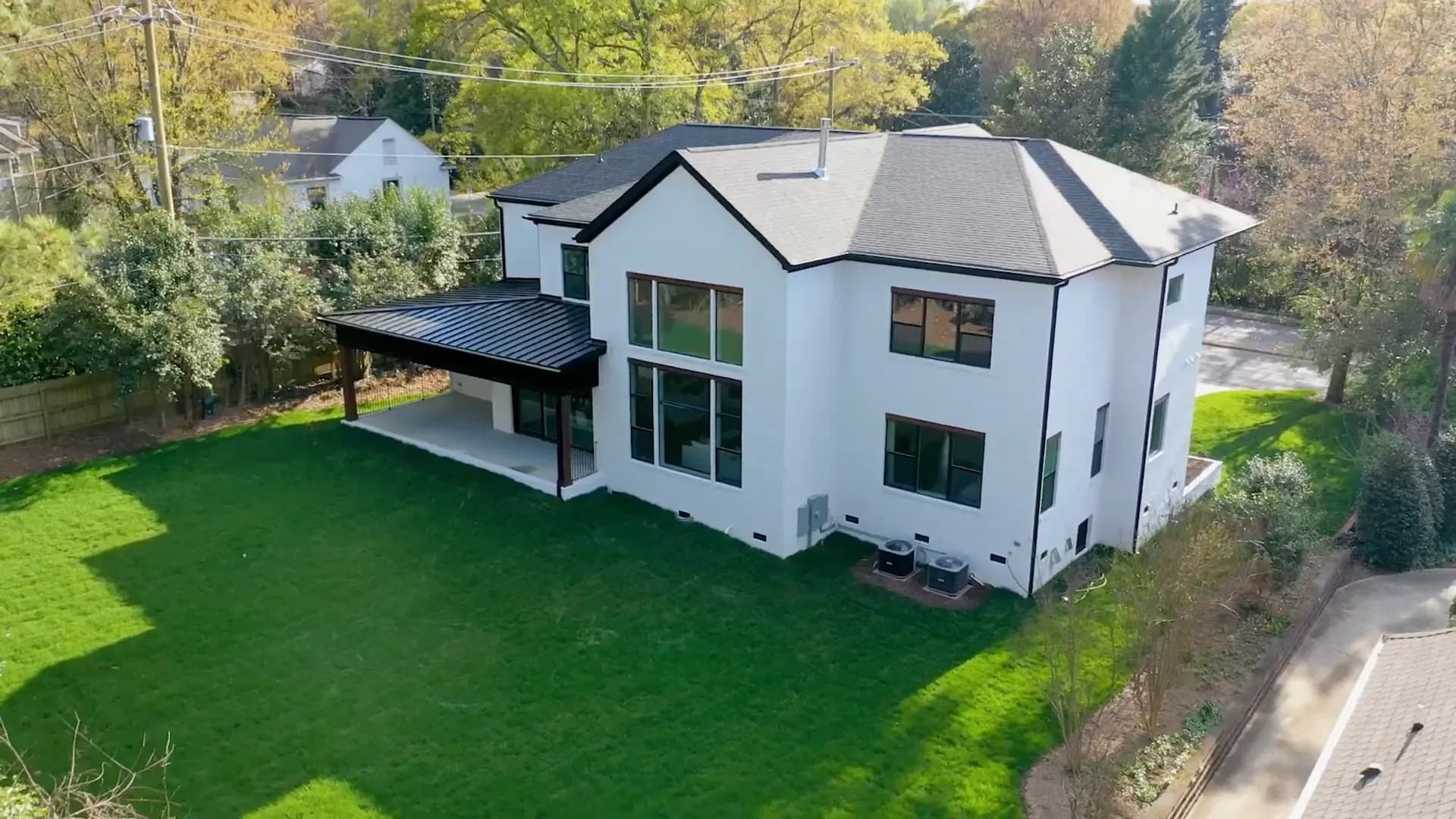
A completed residence reflects many property, design, documentation, and approval decisions made before construction.
Coordinate the design information that defines the work
A construction start should be supported by a coordinated set of information appropriate to the project. That can include architectural drawings, structural information, site or civil material, relevant consultant documents, schedules, selections, and written specifications. The exact set depends on the property, design, jurisdiction, and contract. Review the documents together: a dimension on one sheet, a finish schedule, and a consultant detail should not tell three different stories. The DELLA design-build overview explains the value of connecting design and construction responsibility, while the actual agreement must still define who prepares, reviews, and owns each deliverable.
Make scope, budget, and schedule assumptions legible
Scope clarity comes before a meaningful comparison of numbers. List what the proposed work includes, what it excludes, which items are owner-provided, and which conditions remain allowances or unresolved assumptions. A budget framework should distinguish the home itself from land, site work, consultants, approvals, utilities, landscape, furnishings, financing, and other project-specific categories when those items are relevant. A schedule framework should show dependencies such as decisions, design completion, approvals, procurement, and site readiness. This checklist does not publish a DELLA price or duration because those require project-specific evidence and written terms.
Ask how changes will be documented before a change is requested. A useful record identifies the requested revision, its effect on scope, cost and schedule when known, who approved it, and which drawings or specifications it changes. The same discipline applies to unresolved assumptions: give each one a date, an owner, and the information needed to close it. Preconstruction is ready when the remaining unknowns are visible and appropriately managed, not when uncertainty is hidden inside a headline total.
Resolve selections that can affect coordination or procurement
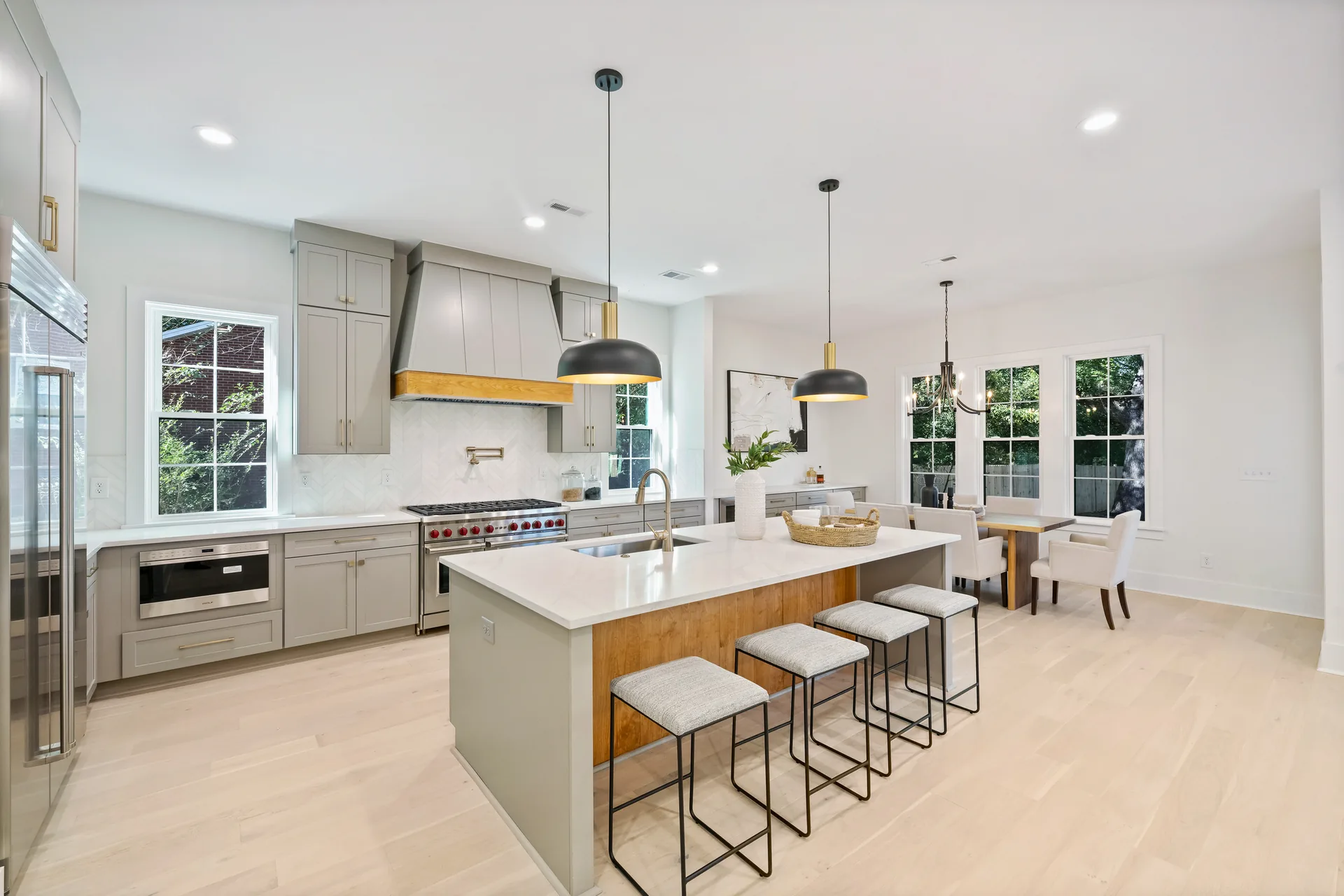
Some selections affect more than appearance. Appliance dimensions can influence cabinetry and utilities; plumbing fixtures can affect rough-in information; exterior materials can affect details; lighting and control choices can affect electrical coordination. Identify which decisions must be made before permit submission, pricing, ordering, rough-in, or installation. Then give later finish choices a realistic place in the decision calendar. The purpose is to protect coordination and informed decisions, not to force every decorative choice at the same moment.
Decision name and the drawing, specification, allowance, or room it affects
Information or sample needed to make the decision
Decision owner and any professional input required
Target date based on a real dependency
Approval record and the document updated after approval
Procurement status only after the selected item is confirmed
Map the Charlotte and Mecklenburg review path
The approval path is property- and scope-specific. The City of Charlotte says its Individual Residential Lot review can involve Urban Forestry, Stormwater, and Zoning, with the applicable reviews determined by the work, location, and existing site conditions. The City also identifies an LDIRL permit as separate from the Mecklenburg County building permit for listed residential project types. Mecklenburg County's Residential Plan Review covers new one- and two-family residences and describes its electronic submittal requirements. Confirm the current path with the relevant agencies and qualified project professionals rather than treating a prior project as a template.
A useful approvals tracker names the jurisdiction, application, required input, applicant or responsible party defined by the project agreement, submission status, comments, revisions, and approval evidence. It should not convert an agency performance goal into a promised project date. DELLA's existing Charlotte permitting guide gives a fuller orientation to the separate City and County tracks and the questions worth resolving before submission.
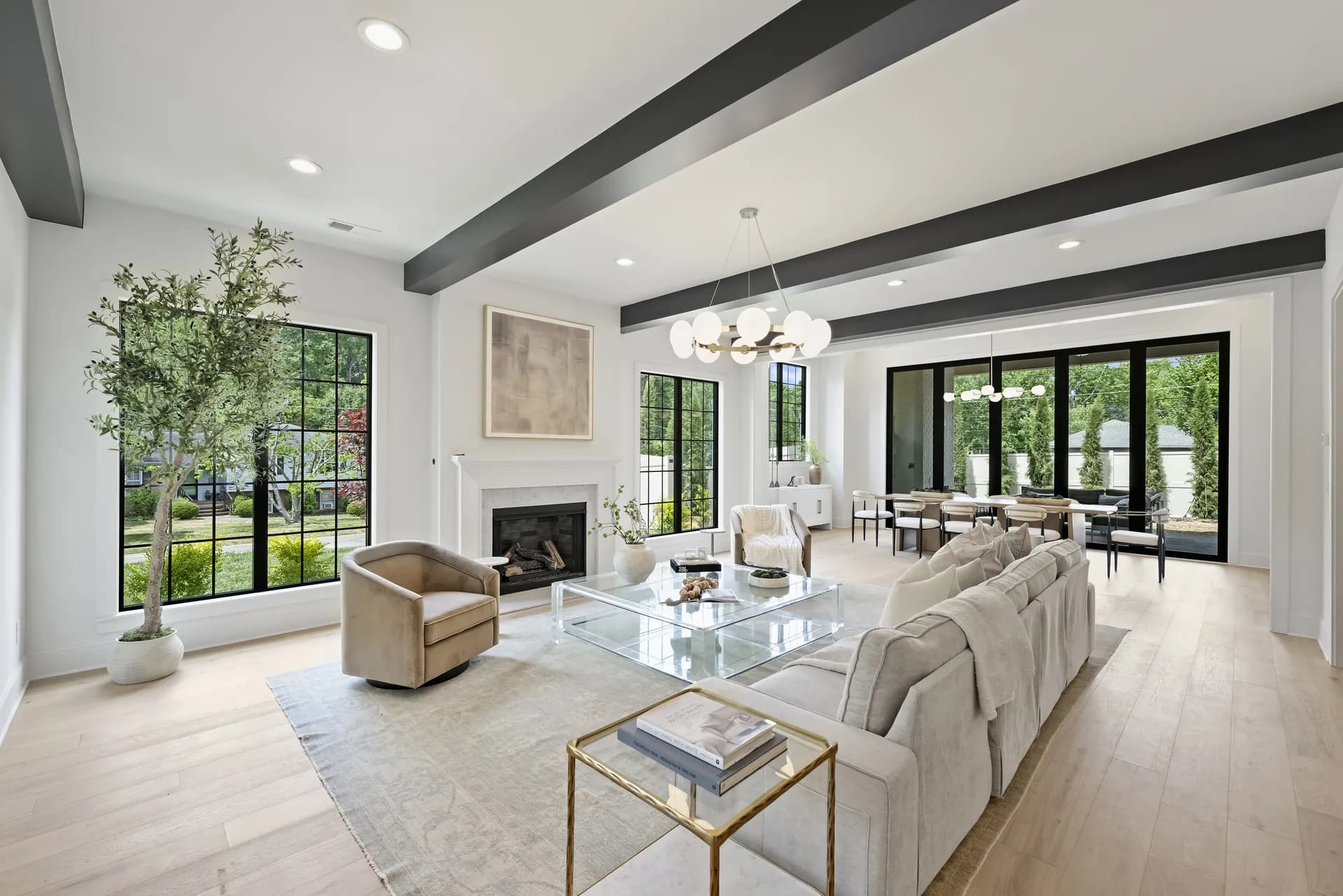
Preconstruction readiness joins design intent to property-specific information and coordinated construction documents.
Use a construction-start readiness review
Confirm the current project brief and who may approve changes.
Confirm the property-information set and identify any professional investigations still required.
Review the coordinated drawings, specifications, schedules, and consultant inputs appropriate to the project.
Reconcile scope inclusions, exclusions, allowances, alternates, and owner-provided items.
Record open decisions, their dependencies, owners, and due dates.
Confirm which City, County, utility, or other approvals apply and retain the actual approval records received.
Confirm that contract, payment, change, communication, and closeout responsibilities are written clearly.
Confirm procurement status for items whose lead times affect the planned sequence.
Review site access, logistics, protection, and existing conditions with the responsible professionals.
Issue a current record of confirmed items and open risks rather than relying on meeting memory.
Avoid the common preconstruction shortcuts
Starting from incomplete drawings, comparing estimates with different inclusions, assuming a public map is a survey, treating an agency target as a guarantee, and postponing coordination-heavy selections can all create avoidable ambiguity. Another common mistake is deciding that every unanswered question must be solved before any progress can occur. The better standard is explicit: resolve what the next commitment depends on, assign the remaining questions, and preserve the distinction between confirmed facts, estimates, allowances, goals, and approvals.
Bring the right information to the next conversation
A productive first conversation needs the property or target area, a concise brief, any available survey or site documents, design work completed so far, desired involvement, budget context, timing goals, and the decisions already made. Review DELLA's custom-home approach and completed and active projects to decide whether the work appears relevant. If it does, contact DELLA with the information you have. The next step is to identify fit and the questions that deserve project-specific answers.