Custom Home Builder vs. Production Builder in Charlotte
Use this custom home builder vs. production builder in Charlotte guide to compare sites, design choices, involvement, standardization, and project fit.
The practical difference between a custom home builder and a production builder is the decision framework around the home, site, and project. A production model usually begins with a builder-controlled community, a selected group of plans, and a defined menu of choices. A custom model often begins with a particular owner, property, and brief, then develops a project-specific design and scope. Neither label guarantees quality, price, timing, or fit. The useful question is which model gives you the right level of property choice, design flexibility, responsibility, involvement, and predictability for the home you intend to build.
Use the terms as starting definitions
The National Association of Home Builders describes production builders as typically owning the land they build on and offering homes within a community. Its custom-home overview says a custom builder will often build on customer-owned land and start with an individual design, while production builders generally work from plans selected by the building firm. Those are useful broad distinctions, not legal definitions of every Charlotte company. Ask each builder to describe the specific property, plan, options, services, and agreement being offered.
The lot and location may determine the model
In many production communities, the home and homesite are part of one offering. The builder has already selected the land, community plan, product range, and development standards. A buyer may choose among available lots and plans, but cannot move the entire system to an unrelated property. Custom building commonly starts with an owner-controlled parcel or a property selected for an individual project. That increases the importance of property-specific questions such as zoning, access, trees, drainage, utilities, topography, and fit between the site and proposed design.
If owning or selecting a particular Charlotte property is central to your goal, begin with the site's constraints and opportunities rather than a house image alone. The
explains how property, lifestyle, budget, and design direction inform its current service conversation. If a community and its available homesites already meet your priorities, a production offering may provide a clearer pre-established path.
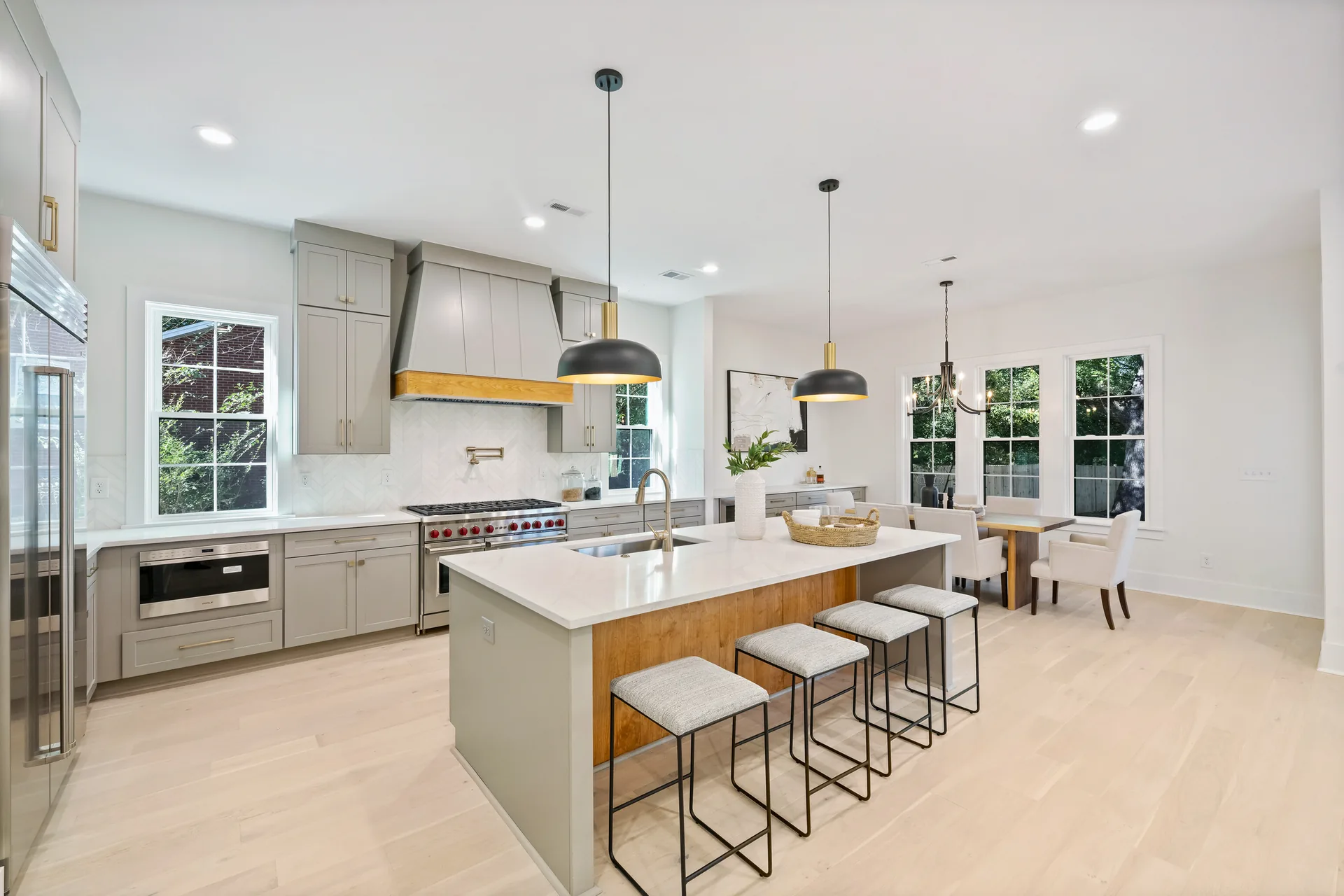
A custom-home discussion often begins with the relationship among a particular property, brief, and design.
Compare design freedom with decision boundaries
A custom process can make more of the home's organization, architecture, materials, systems, and details project-specific. That flexibility also creates more decisions and more need for coordinated information. Production choices are commonly bounded by the available plans, elevations, packages, and options for the community. Those limits may reduce the number of open decisions and make the offered product easier to compare. Ask what can change, when it can change, what cannot change, and how each decision affects drawings, pricing, approvals, procurement, and construction.
More choice is valuable only when it serves real priorities. A household seeking a highly specific room program, response to an unusual site, or distinct architectural direction may benefit from a custom brief. A household that likes an existing plan and community may prefer a narrower selection process. In both models, request a written description of included features, optional items, allowances, substitutions, and the point at which a choice becomes final.
Standardization changes what is already known
Production building can repeat plans, details, trade relationships, and selection packages across multiple homes. That standardization may make more decisions visible earlier, but it does not create a universal price or completion date. Availability, change rules, site conditions, market conditions, approvals, and the builder's actual documents still matter. Custom work develops more information around one project, so early figures may contain more property-specific assumptions and allowances until the design and scope mature.
Compare proposals on the same basis. Identify the land relationship, design and consultant services, site work, utilities, approvals, landscape, appliances, finishes, allowances, fees, owner-provided items, and exclusions. Then ask how a revision becomes a documented change. A lower headline total with major categories outside the scope is not directly comparable to a broader proposal. The same caution applies to schedules: define the starting point, finish point, dependencies, and treatment of owner changes before comparing dates.
Expect different kinds of owner involvement
Custom work often asks the owner to participate in brief development, design reviews, material and fixture decisions, and tradeoffs among scope, budget, and priorities. The project team should make that involvement manageable by identifying decision owners, information needed, deadlines, and effects. A production process may concentrate owner choices into a smaller option set and established sequence. That can suit someone who wants fewer open-ended design decisions. Ask how much time and attention each model expects from you, not only how many selections appear on a list.
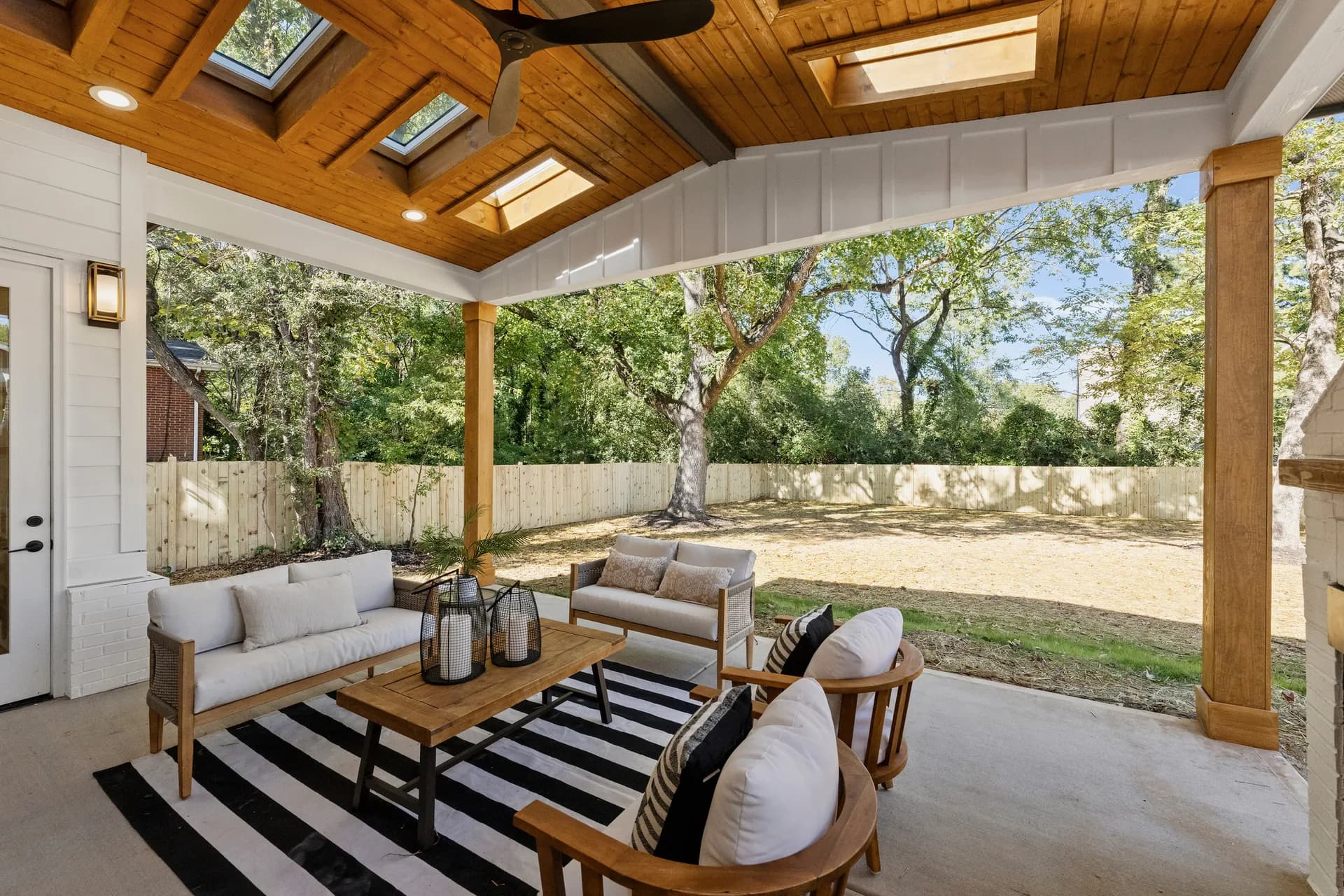
The right building model depends on the property, desired design involvement, and the responsibilities written into the project agreement.
Responsibility matters more than the label
Find out who holds the agreement, who owns design coordination, who supervises the field, who manages selections and procurement, who submits for approvals, and who communicates decisions. A custom firm may offer design-build, separate construction services, or another structure. A production firm may control development, sales, design options, and construction through its own model. DELLA's Process and design-build overview describe its current public structure; another company may organize the same functions differently. Judge the actual responsibility map and written terms.
Match the model to the project
Choose custom exploration when a particular property, individual brief, or project-specific design is central to the goal.
Choose production exploration when an available community, plan set, and option range already align with the goal.
Ask how much design freedom you need and how much decision involvement you want.
Decide whether you need to bring a lot or prefer land and home in one offering.
Compare the complete scope, assumptions, allowances, exclusions, and change rules.
Verify the contracting entity, current credentials, relevant work, field responsibility, communication, and closeout terms.
Interview builders with the same core questions
Once the model is clear, compare firms inside that model. Review relevant DELLA projects, read the Journal's guide to choosing a Charlotte custom-home builder, and bring the questions to ask before signing. Ask each company to distinguish completed work from active work or renderings and to explain its role accurately. The goal is a comparable record of fit and responsibility, not a contest of broad claims.
Choose fit before choosing a label
A custom model is not automatically better for every buyer, and a production model is not automatically simpler in every circumstance. Start with your property relationship, desired design latitude, decision capacity, need for individual coordination, and tolerance for open questions. Then test the actual company and agreement. If an individual Charlotte property and project-specific brief are central to your plans, contact DELLA with the information already available so the first conversation can focus on fit.